How Personalized Books Help Early Literacy Development
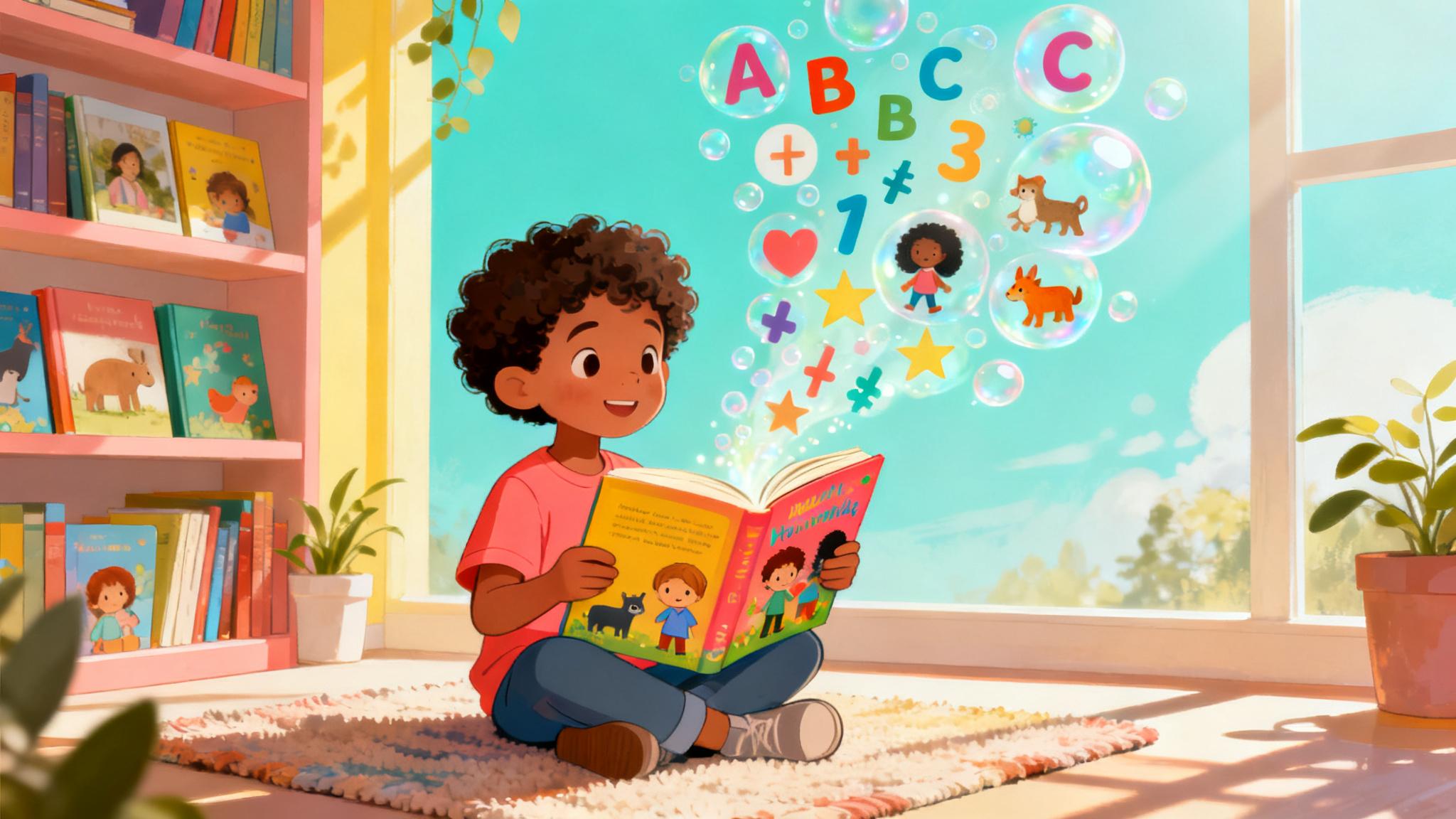
How Personalized Books Help Early Literacy Development
How Personalized Books Help Early Literacy Development
You know the moment. Your child climbs into your lap, points at a picture, and asks you to read the same story again. You are thrilled they love books, but you might also be wondering: Are they actually learning to read yet, or are we just repeating words on a page? Early literacy can feel mysterious because progress shows up in small ways: noticing letters on a cereal box, “reading” from memory, asking what a word says, or suddenly recognizing their name.
Personalized books can support those milestones in a surprisingly practical way. When your child sees their own name and details woven into the story, attention tends to sharpen. They lean in, listen longer, and participate more. That extra engagement matters because early literacy is not only about decoding words, it is also about motivation, vocabulary, print awareness, and understanding how stories work.
In this post, you will learn how personalized books support early literacy development, what skills they strengthen, and how to use custom stories at home in simple, low pressure ways. You will also find easy tips you can try during bedtime reading, plus a few gentle prompts to help you choose books that fit your child’s age and reading stage.
Why personalization boosts early reading skills
Early literacy grows best when a child is actively engaged. Personalized books help by making the story feel immediately relevant. When the main character has your child’s name, and the story includes familiar people, places, or traits, the book becomes more than a tale. It becomes their story. That personal connection can increase focus and encourage more back and forth conversation during reading.
Research on shared reading and early literacy consistently highlights the value of interaction: asking questions, explaining new words, and connecting story events to real life. Personalization naturally invites those behaviors because parents and kids have more to talk about. You are not only reading, you are reminiscing, predicting, and relating. All of that supports key pre reading skills, including vocabulary growth and narrative comprehension.
Early literacy skills personalized books can strengthen
- Print awareness: noticing words, names, and how text moves across the page
- Phonological awareness: hearing sounds in words, especially when a child’s name appears often
- Vocabulary: learning new words through repeated, meaningful exposure
- Narrative skills: understanding sequence, cause and effect, and story structure
- Motivation to read: choosing books more often and requesting rereads
How seeing their name supports print awareness
A child’s name is usually one of the first words they recognize. Personalized children’s books take advantage of this naturally powerful anchor. Every time your child spots their name in print, they practice a foundational concept: text carries meaning. They also begin to notice letter patterns, especially the first letter of their name, which often becomes a gateway to recognizing other words that start with the same sound.
This matters for early literacy because print awareness is not automatic. Some children absorb it quickly, while others need repeated experiences where print feels important and meaningful. Personalized books make print feel important because the words refer to them directly.
A simple way to amplify the benefit
When you come across your child’s name, pause and run your finger under it as you say it aloud. Then ask one short question like, “What letter does your name start with?” Keep it playful and brief so the story stays enjoyable.
Personalized stories encourage richer parent child conversation
One of the strongest predictors of later reading success is language exposure through warm, responsive conversation. When you read together and your child talks about the story, they build vocabulary and comprehension. Personalized books make that conversation easier because the content is already connected to your child’s world.
You might notice your child correcting details, adding their own ideas, or asking deeper questions. That is excellent for comprehension. It shows they are not just hearing words, they are constructing meaning, making predictions, and practicing recall.
Try these quick “dialogic reading” prompts
- Recall: “What happened first in your story?”
- Predict: “What do you think you will do next?”
- Explain: “Why did you feel proud in that part?”
- Connect: “Does this remind you of something we did together?”
Practical ways to use our personalized books for early literacy
You do not need to turn reading time into a lesson. The goal is to keep it warm and enjoyable while gently nudging literacy skills forward. Here are practical, parent friendly strategies that pair well with personalized books.
1) Use repeated reading on purpose
If your child asks for the same personalized book night after night, that is a good thing. Rereading supports fluency, memory for story language, and confidence. On the first read, focus on enjoyment. On later reads, add tiny interaction: pause before a repeated phrase and let your child “read” it from memory.
2) Highlight high frequency words naturally
Many early books include common words like “the,” “and,” “you,” and “said.” When the story features your child, they pay closer attention, and those repeated words become easier to notice. Point to one or two recurring words per reading session, not more.
3) Build vocabulary with quick explanations
Personalized stories often include exciting settings and action. When you meet a new word, give a simple definition and move on. Example: “Brave means you do something even when it feels a little scary.” This supports vocabulary without breaking the flow.
4) Invite storytelling after the last page
After you finish, ask your child to tell you the story back in their own words. If they are younger, accept a few details. If they are older, encourage sequence: beginning, middle, end. This strengthens narrative skills, a key part of reading comprehension.
5) Pair the book with a tiny “name and sound” game
Because the personalized main character is your child, you can practice sound awareness effortlessly. Ask: “What other words start with the same sound as your name?” Keep it short: two examples is plenty.
Choosing the right personalized book for your child’s stage
Personalized books work best when they match your child’s attention span and language level. Use the checklist below as a quick guide when exploring our collection.
| Age and stage | What to look for | How it supports literacy |
|---|---|---|
| Toddlers (1 to 3) | Short text, clear pictures, repeated phrases | Print awareness, vocabulary, attention to story |
| Preschool (3 to 5) | Simple plot, playful language, frequent name mentions | Story structure, sound awareness, word learning |
| Early readers (5 to 7) | Slightly longer text, predictable sentences | Confidence, fluency practice, comprehension |
If you are not sure which level fits, choose a story that feels slightly easy rather than slightly hard for bedtime. You can always move up in complexity later. The consistent win is keeping reading positive and frequent.
A gentle invitation to explore personalized books together
If you are looking for a simple way to support early literacy at home, personalized books are a warm, practical tool. They invite rereads, spark conversation, and help your child notice print in a meaningful way. If you want to build a stronger reading routine, consider exploring our collection of custom stories and choosing one that features your child as the main character. Many families like to start with a bedtime friendly story and add another book later as a “new milestone” gift.
When your child is excited about a book, the habit becomes easier. And when the habit becomes easier, literacy grows.
Conclusion
Personalized books can support early literacy development by making reading feel personal, engaging, and interactive. Over time, those small moments add up to meaningful skills.
- More engagement leads to more reading time and richer conversation
- Name recognition strengthens print awareness and letter sound attention
- Rereads build confidence, memory for story language, and early fluency
- Parent child dialogue supports vocabulary and comprehension
If you would like an easy next step, explore our personalized children’s book collection and choose a story that matches your child’s stage. Then read it often, keep it playful, and let your child lead the interaction.
Have you noticed reading changes in your child when the story feels personal Share what you are seeing in the comments.