How to Make Storytime Interactive With Personalized Books
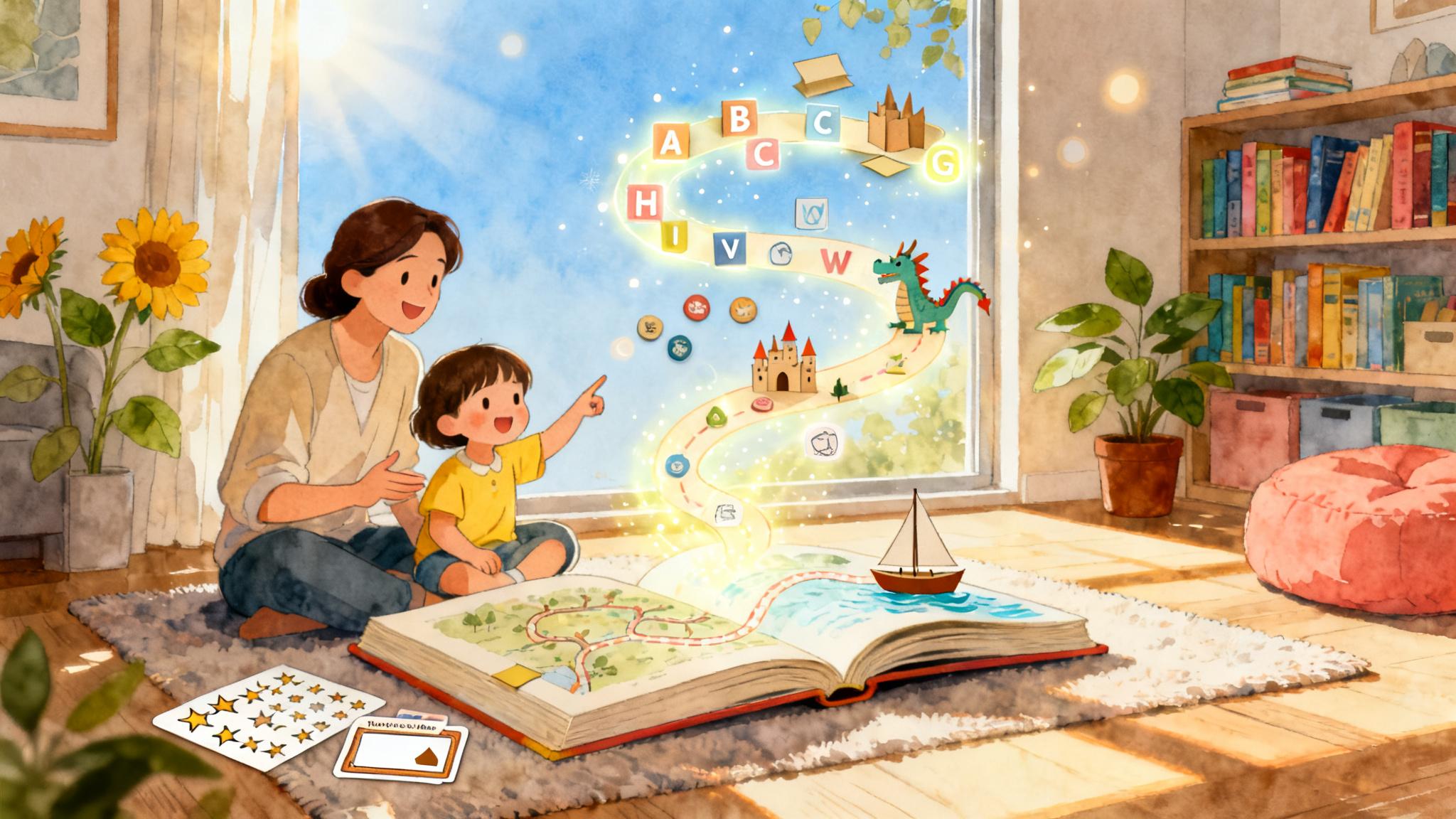
Some kids will happily listen to a story from beginning to end. Others want to touch the pages, talk over the plot, or jump ahead to their favorite picture. Interactive storytime welcomes all of that energy and channels it into reading. When you make books a conversation instead of a performance, children often stay engaged longer and remember more of what they heard.
Personalized children’s books can make that interaction even easier because a familiar first name on the page gives you a natural way to pause, point, and invite participation. Below are practical, low pressure ways to make storytime more engaging, build early literacy habits, and encourage imagination using any picture book or early reader, including personalized stories.
What “interactive storytime” really means
Interactive storytime is simply reading with your child, not just to your child. You still enjoy the story, but you also leave space for your child to respond, predict, notice details, and connect the story to their own experiences.
This does not have to turn into a lesson. Think of it as shared attention. You follow the child’s curiosity, keep the plot moving, and use quick prompts that fit the moment.
Why a child’s name can boost engagement
Children are naturally tuned in to familiar words, especially their own name. When a story includes that name, it can create more “entry points” for participation. You can pause when you reach the name, invite your child to say it with you, or ask what they think their character will do next.
With Pictoora, a child’s first name can appear throughout the story, helping them feel like they are part of the adventure. Some books also include a personalized dedication, and in some cases an optional photograph on the dedication page, which can be a sweet way to make the book feel like it truly belongs to them.
7 ways to make storytime interactive (without slowing it down)
1) Use “point and pause” prompts
Every few pages, pause for five seconds and point to something specific in the illustration. Keep prompts short so the story stays enjoyable.
- Find it: “Can you find the dinosaur?”
- Spot the detail: “What color is that hat?”
- Show me: “Point to the moon.”
This supports attention to print and pictures, and it works well for toddlers and preschoolers who are not ready for long questions.
2) Invite your child to “read” one repeated part
If the book has a repeated phrase or a predictable line, let your child take ownership of it. You can start the sentence and let them finish. Over time, many kids begin to anticipate the pattern and join in more confidently.
In personalized books, the child’s name often becomes that repeated anchor. You can say, “Here comes your part,” and pause before the name so they can fill it in.
3) Turn page turns into predictions
Before turning the page, ask one quick prediction question. Keep it light and playful. There is no wrong answer.
- “What do you think will happen next?”
- “Do you think it will be scary or silly?”
- “Who might show up on the next page?”
Prediction helps children practice making meaning from the story, and it keeps them invested in what comes next.
4) Do a “character voice” swap
Assign one character voice to your child, even if it is only one word or sound. For example, your child can say “Roar!” for an animal, or repeat a character’s catchphrase. If your child is shy, make it simpler: a whisper voice, a robot voice, or a silly voice for one page.
The goal is not performance. It is participation.
5) Ask one feeling question and one action question
To build story comprehension without interrupting too much, use a simple two question rhythm once or twice per book:
- Feeling: “How do you think they feel right now?”
- Action: “What should they do next?”
If your child shrugs, model an answer: “I think they feel surprised because the door opened.” Modeling shows them what answering looks like.
6) Connect a picture to a word on the page
For early literacy, you can gently connect what your child sees to what the text says. Choose only one or two words per sitting so it stays fun.
- Run your finger under a short phrase: “This says ‘big truck.’”
- Point to a label or sign in the illustration and read it aloud.
- Notice punctuation: “That exclamation mark means they’re excited!”
These tiny moments can help children realize that print carries meaning.
7) Try a “retell in 30 seconds” finish
After you close the book, ask for a super quick retell. For younger kids, let them retell using only pictures by flipping through and describing what they see. For older preschoolers and early readers, ask for three parts:
- “Who was the story about?”
- “What happened?”
- “How did it end?”
Retelling supports comprehension and helps you see what your child found most important or exciting.
Using personalized children’s books for name recognition and print awareness
If your child is learning letters and beginning to notice words, a personalized story can give you a natural, meaningful word to point out: their name. Keep it playful and occasional.
- Spot the name: “Can you find your name on this page?”
- First letter focus: “Your name starts with M. Can you find an M?”
- Compare lengths: “Your name is longer than ‘cat.’ Look how many letters!”
Avoid turning it into a test. If your child is not interested, return to the story.
Interactive reading for different ages
Toddlers (about 1 to 2)
Keep it simple: point, label, and let them turn pages. It is fine if you do not read every word. Children at this age often engage through repetition and familiar pictures.
Preschoolers (about 3 to 4)
Use predictions, simple feeling questions, and “find it” prompts. Many preschoolers love to “read” favorite books from memory, which is a normal and helpful step toward real reading.
Early readers (about 5 to 7)
Invite them to read a few words or one page, then you read the next. If the book includes their first name, they may feel motivated to tackle that word, and it can become a confidence building bridge into other words.
Keep it enjoyable: a quick checklist
- Follow interest: If your child wants to talk about one picture, let it happen.
- Keep prompts short: One question, then back to the story.
- Rereading is welcome: Favorites are favorites for a reason.
- Stop while it is still fun: A shorter, happy storytime is better than pushing through.
A simple way to start tonight
Pick one interactive move and use it for the whole week, like “prediction before the page turn” or “find your name.” Small routines are easier to keep, and children often respond well to familiar patterns.
If you want a story that naturally invites participation, exploring personalized children’s books can be a great next step. A child’s first name appearing throughout the adventure gives you easy moments to pause, point, and let your child join in. You can browse children’s personalized stories and choose a theme that fits your family’s storytime mood.