Why Kids Love Personalized Story Books
Why Kids Love Personalized Story Books
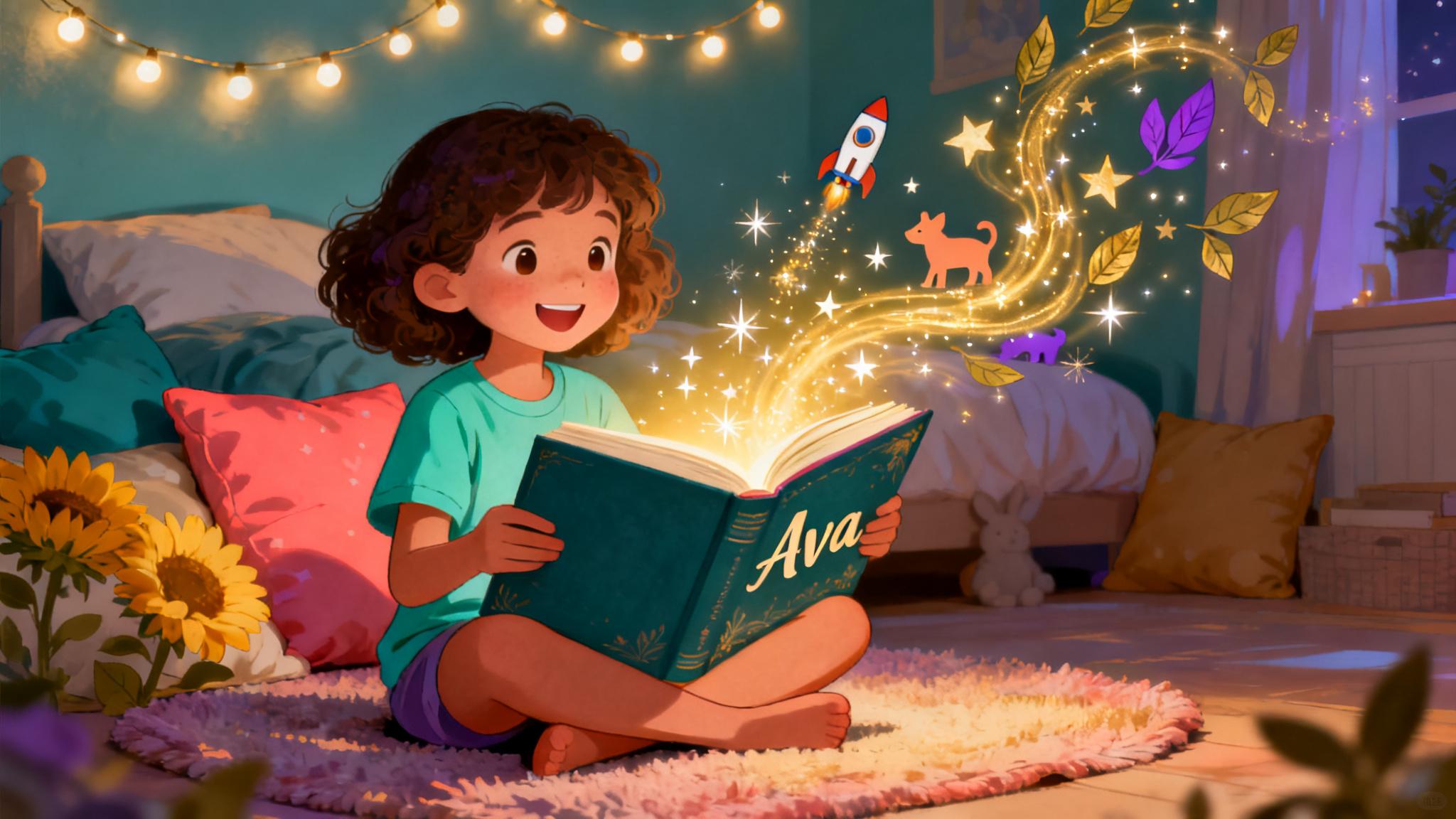
It is 7:42 p.m., you have finally wrangled pajamas onto a wiggly body, the toothbrush battle is mostly over, and you are aiming for a calm bedtime. Then your child asks for one more story. You reach for a book and suddenly wonder, what if the story felt like it was written for them not just read to them? That is where personalized story books can feel like pure bedtime magic. When your child hears their own name, sees familiar details, and recognizes their world inside a story, something changes. They lean in, they listen longer, and they often want to read it again tomorrow.
For kids ages 3 to 9, personalized story books hit a sweet spot. They are old enough to recognize their name and personal traits, but young enough to still believe that stories can spill into real life. And as a parent, you get the best kind of reward: a child who is excited about books, proud of who they are, and more connected to you during the reading routine. In this post, I will share why kids love seeing their own name and details in a story, what is happening in their developing brains when personalization clicks, and how you can choose the right custom book to make bedtime easier, warmer, and more meaningful.
1. Their name grabs attention like a spotlight
Kids are wired to notice their own name. It is one of the first words that feels truly personal. In personalized story books, that little detail works like a gentle attention magnet. Instead of drifting off mid paragraph, your child often snaps back in with a grin when they hear, “And then Emma found the secret map” or “Leo was the bravest explorer in the forest.”
A real parent moment you might recognize
One mom in our community shared that her son usually interrupts stories with unrelated questions, but with a personalized book, he kept saying, “Wait, read that again. That is me.” He was not just listening. He was tracking the story because it felt relevant to him.
Why it matters
When a child stays engaged, you get longer stretches of focused listening, better comprehension, and more opportunities to talk about feelings, choices, and kindness in a way that lands.
2. It helps them make sense of big feelings safely
Between ages 3 and 9, kids are learning to name emotions, manage frustration, and build empathy. Stories are already a powerful tool for that. Personalization turns the volume up without making it scary. When the hero shares their name, their favorite color, or their pet, the story feels familiar. That familiarity gives kids a safe place to process feelings.
If the character gets nervous before trying something new, your child sees that as normal. If the character makes a mistake and tries again, your child learns that mistakes do not mean they are not capable. Personalized story books let you rehearse courage, patience, and resilience in a cozy, low pressure way.
3. It builds identity and confidence in a gentle, lasting way
Kids crave belonging and recognition. When a story reflects them, it quietly says, “You matter. You are seen.” That message supports healthy self esteem, especially for children who are shy, sensitive, or going through a big change like starting school or welcoming a new sibling.
What personalization reinforces
- Sense of self by connecting their name and traits to a positive storyline.
- Agency because the hero makes choices and solves problems.
- Optimism because the hero is capable, kind, and brave.
One dad told us his daughter started saying, “I can do it like in my book.” That is not just cute. That is a confidence script she can use in real life.
4. It makes reluctant readers want to participate
Not every child loves books right away, and that is normal. Some kids are more physical, some are easily distracted, and some feel pressure once reading becomes a “skill.” Personalized story books can lower that resistance because the story feels like it is about them, not a school assignment.
Easy ways to encourage participation
- Pause after their name and let them say it with you.
- Ask, “What would you do next?” and let them guide the moment.
- Invite them to point out familiar details, like their hair color or hometown.
- Act out one scene together for 30 seconds, then keep reading.
For many families, this becomes a bridge into more reading. Once a child realizes books can feel personal and fun, they are more willing to explore other stories too.
5. It strengthens the parent child bond at bedtime
Bedtime is not just about sleep. It is often the one moment in a busy day where you are face to face, close, and fully present. Personalized story books create a shared ritual that feels intimate. Your child hears you say their name with warmth and pride, and you get to watch their face light up as they recognize themselves in the story.
That connection matters for emotional security. A calm, connected bedtime routine can make it easier for kids to settle, and it gives you a consistent moment to reconnect, even on hard days.
Personalized books vs regular books: a quick comparison
Regular books are wonderful, and you absolutely should keep reading them. Personalized story books are not a replacement. They are a powerful addition when you want extra engagement and emotional impact.
| Regular story books | Personalized story books |
|---|---|
| Child connects with characters through imagination | Child connects instantly because the hero is them |
| Great for broad themes and variety | Great for confidence, transitions, and reluctant readers |
| Engagement depends on the child’s mood and interest | Engagement often increases when their name and details appear |
| Easy to share across siblings | Feels like a keepsake made just for one child |
How to choose a personalized story book your child will love
If you are ready to try one, focus on a story that matches your child’s current interests and emotional season. Dinosaurs, princesses, space, animals, sports, first day of school, bravery, kindness, and friendship are all great starting points.
A quick checklist before you order
- Choose a theme your child already talks about.
- Personalize with details that feel true, like their nickname, a favorite color, or a beloved pet.
- Pick an age appropriate length for their attention span.
- Look for a positive message that fits your family values.
If you want an easy place to start, explore our personalized story books and pick the adventure that matches your child’s personality. Shop personalized story books and create a keepsake they will ask for again and again. If your child is going through a milestone like starting preschool or learning to be brave, you can also browse themed options here: Personalized bedtime stories.
Conclusion
Personalized story books are special because they speak directly to your child’s heart. When kids see their own name and details in a story, they often become more engaged, more confident, and more open to the lessons hidden inside the adventure.
- They pay attention longer because their name feels important.
- They process emotions safely through a familiar hero.
- They build identity and self esteem with repeated positive messages.
- They participate more, even if they are reluctant readers.
- They feel closer to you during the bedtime routine.
If you have been craving a bedtime routine that feels calmer and more connected, creating a personalized book is a simple change that can have a big emotional payoff. Pick a theme, add your child’s details, and let them become the hero. Create your child’s personalized story book here.
What name would you put in your child’s story, and what kind of adventure would they love most?