Interactive Storytime Ideas for Kids at Home
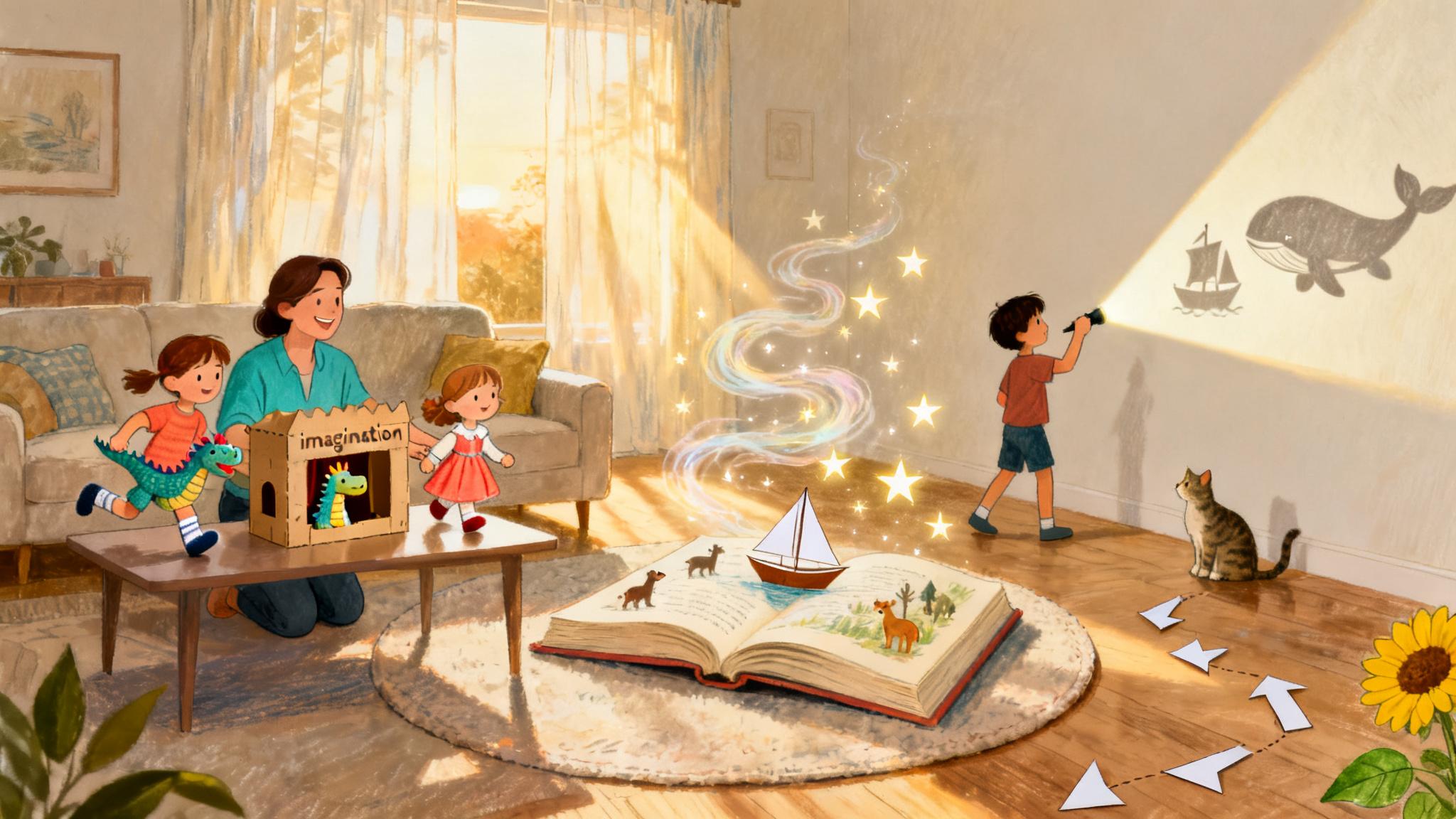
Some days, storytime is smooth and snuggly. Other days, your child wiggles, interrupts, or wants to flip ahead. Interactive storytime gives you a simple way to turn those moments into connection without turning reading into a “lesson.” With a few tiny tweaks, you can invite your child to talk back to the story, notice illustrations, predict what happens next, and even help “tell” parts of the book. These ideas work for toddlers through early elementary, and they fit easily into bedtime reading, rainy afternoons, or a quick reset before dinner.
Start with a quick “story warm up”
Before you open the book, take 20 seconds to help your child enter the story world. A small ritual can make reading feel special even when you are short on time.
- Cover clues: Ask, “What do you think this story might be about?” and point to one detail on the cover.
- Title twist: Read the title and ask, “What kind of day do you think the character will have?”
- One page preview: Flip to a random illustration and say, “What do you notice first?”
If you are reading a personalized story, you can also add a simple hook like, “This book has your name in it, so you are part of the adventure.” With Pictoora, a child’s first name can appear throughout the story, which can make the warm up feel extra inviting.
Use “pause points” to keep kids engaged
You do not need to stop every page. Choose a few natural moments and keep your prompts short so the story still flows.
Try these easy questions (no right answers)
- Predict: “What do you think will happen next?”
- Notice: “What do you see in the picture that the words did not say?”
- Feelings: “How do you think the character feels right now?”
- Choice: “If you were there, what would you do?”
- Favorite: “What was your favorite part on this page?”
For toddlers, you can simplify to pointing and naming: “Where is the dinosaur?” or “Can you find the star?” For early readers, invite a slightly longer answer: “What clue helped you guess that?”
Make the illustrations part of the storytelling
Pictures are not just decoration. They are a built in activity. If your child keeps grabbing the book, they may be asking for more time with the art.
- Illustration hunt: Pick one thing to search for on each spread, like a color, an animal, or a shape.
- Zoom in: Cover part of the page with your hand and reveal it slowly. Ask, “What do you think this is?”
- Silent page: On one page, do not read the words first. Ask your child to “read the picture” and narrate what they think is happening.
This works especially well with adventure themes, animals, unicorns, and dinosaurs where there are lots of fun details to spot.
Add simple voices and sound effects (without acting like a cartoon)
You do not need big performances. Small changes are enough to make a book feel alive.
- Character cue: Pick one character and give them a slightly different voice each time they speak.
- Sound spots: Let your child choose one sound to repeat, like footsteps, a door creak, or a “whoosh.”
- Whisper page: Whisper a suspenseful line and then return to your normal voice.
If your child is shy, let them be the “sound effect director” while you keep reading.
Turn rereading into a game
Kids often ask for the same book again and again. Instead of trying to move on quickly, use rereads to add a tiny new twist.
- Spot the pattern: “Do you remember what happens right after this part?”
- Change one thing: Replace one word with a silly alternative and let your child catch it.
- Act it out: Choose one page to act with one simple movement, like tiptoeing, flying, or stomping.
With personalized stories, rereading can feel even more meaningful because your child hears their own name in the story. If you are browsing options, explore personalized children's books that fit your child’s current interests and bedtime vibe.
A quick bedtime friendly closing routine
When it is time to wind down, end the same way each night so your child knows the story is complete.
- One sentence recap: “Tell me what happened in one sentence.”
- Favorite moment: “What was the best part?”
- Goodnight line: Create a repeatable closing like, “The story is resting now.”
If you want storytime to feel personal without adding extra steps, a customized book can be an easy way to do it. You can find a story that fits your family’s routine in Pictoora’s personalized storybooks.