How Personalized Books Encourage Reading Engagement
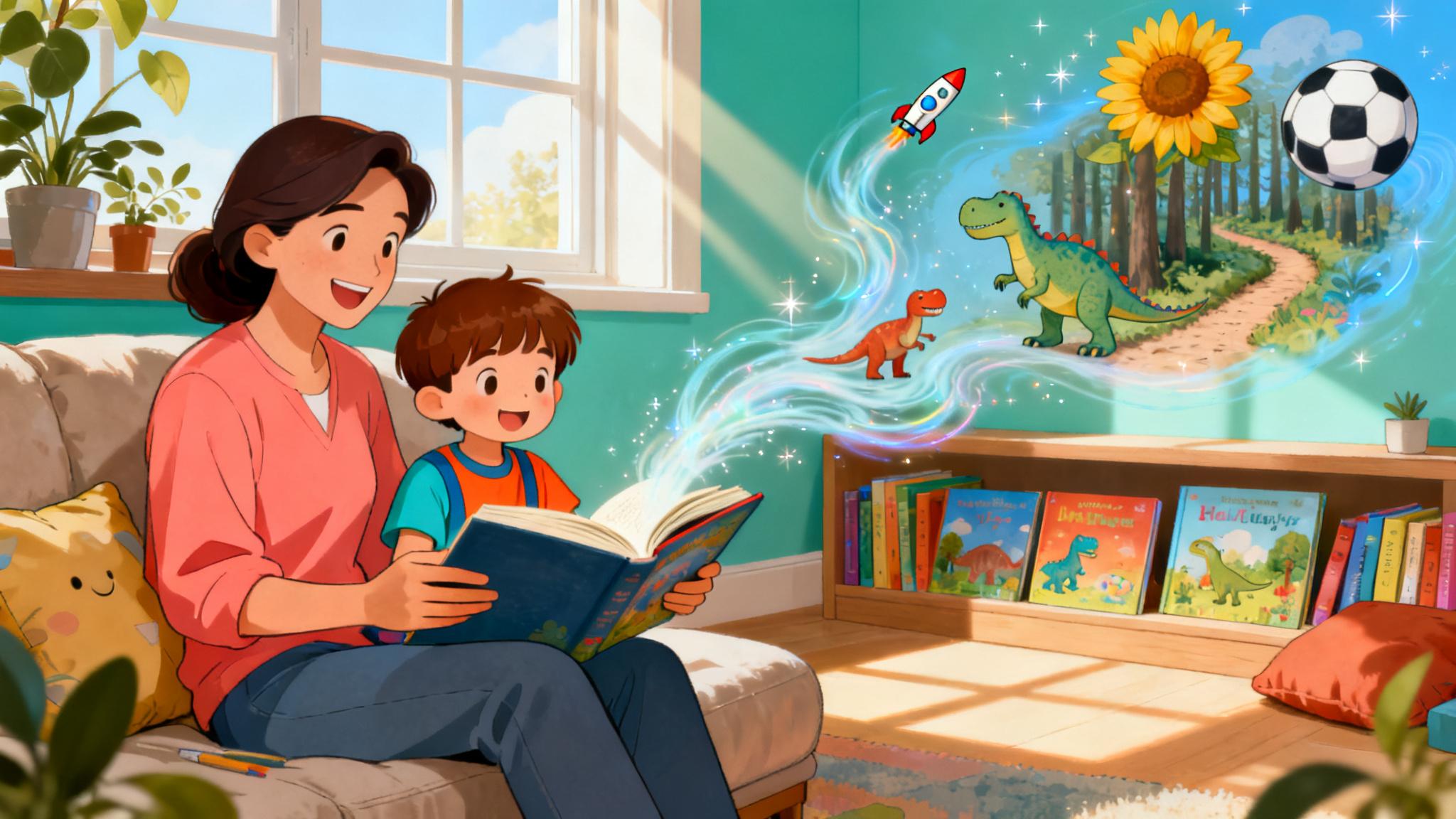
Some kids dive into stories right away. Others need a little help getting interested, especially when books feel unfamiliar or unrelated to their everyday world. One simple way to make storytime feel more inviting is to choose stories that feel personal and easy to join. That is where personalized children’s books can fit beautifully into your routine. When a child sees their first name in the text, they may perk up, listen more closely, and want to participate because the story feels like it is talking to them. Combined with a few practical read aloud habits, personalization can turn reading into a shared experience your child looks forward to.
What reading engagement looks like in real life
Reading engagement is not just sitting still until the last page. With young children, engagement often looks active and a little messy. It can include:
- Attention shifts (they look away, then come back when something interesting happens)
- Participation (they fill in a repeated line, point to pictures, or say a character’s name)
- Questions and comments (even off topic ones can show they are connecting)
- Predicting (they guess what happens next or notice a pattern)
- Reenactment (they act out a scene afterward or “read” the story to a toy)
If your child is wiggly or talkative during a book, that can still be productive storytime. The goal is not perfection. It is connection, attention, and gradually building comfort with books.
Why a child’s name can pull them into the story
Young children are naturally tuned in to their own name. They hear it many times a day, and it often signals, “This is for you.” In a story, seeing and hearing their first name can create that same moment of recognition. Personalized stories can encourage participation in a few simple ways:
- Instant relevance: The story feels closer to their world because it includes something familiar.
- More opportunities to join in: Many kids love saying their name out loud, especially if it repeats.
- Extra motivation to follow along: Some children listen more carefully because they are waiting for the next time their name appears.
This does not mean personalization automatically teaches reading skills on its own. But it can make reading more engaging, which can support the habits that matter most, like showing up to storytime and staying with a book a bit longer.
Simple ways to make personalized storytime interactive
Personalized books work best when you read them the way kids naturally learn, through conversation, play, and repetition. Try these low effort ideas during your next read aloud.
1) Do a name “signal”
Before you start, tell your child: “When you hear your name, give me a high five,” or “When you hear your name, tap the page.” This keeps them listening without turning reading into a test.
2) Point to the name in print
Each time the name appears, slide your finger under it as you read. You are not drilling. You are casually showing that spoken words match printed words. Over time, some kids begin to recognize their name as a word they “know.”
3) Let your child “read” their parts
If the story repeats a line that includes their name, pause right before it and let them say it. If they are not ready, you can say it together. The goal is participation, not perfect timing.
4) Use pictures as conversation starters
Illustrations are not just decoration. They help children understand what is happening and give them something concrete to talk about. Pause for a few seconds and ask:
- “What do you notice on this page?”
- “Where is your name on this page?”
- “How do you think the character feels right here?”
- “What do you think happens next?”
If your child answers with one word, that is fine. You can model a longer answer: “I notice the dinosaur is stomping, so I think something surprising is about to happen.”
How repeated reading supports familiarity and confidence
Many parents worry that rereading the same book is boring or not “educational enough.” For young children, repeated reading is often a feature, not a problem. When kids know what is coming next, they can focus on different parts of the story each time.
With a personalized story, repetition can be especially fun because your child’s name keeps showing up, which can prompt them to chime in more and more. On the first read, they might listen. On the fourth read, they may start “reading” the familiar parts from memory, turning pages at the right time, or pointing out details in the pictures.
To keep rereads fresh, you can rotate your focus:
- First read: Enjoy the plot without stopping too much.
- Second read: Pause on pictures and name moments.
- Third read: Ask simple prediction questions.
- Fourth read: Invite your child to “tell” parts of the story.
Encouraging reluctant readers without pressure
If your child resists books, the best approach is usually to lower the stakes. A personalized story can be a gentle entry point because it feels friendly and familiar, but your approach matters just as much as the book.
Keep it short and end on a good note
You do not have to finish every book in one sitting. Stopping while your child is still engaged can make them more willing to return tomorrow.
Offer choices that still feel manageable
Try: “Do you want the personalized story or the animal story?” Two choices are often enough. Too many options can backfire.
Let them hold the book and turn pages
Page turning is a real form of participation. For some kids, that sense of control makes it easier to settle into listening.
Try a “preview” before reading
Flip through the pages first and let your child spot their name or point out something exciting in the illustrations. This builds curiosity before you start reading.
What to look for when choosing a personalized children’s book
Not all personalized books feel the same. If your goal is reading engagement, look for stories that make it easy for your child to follow and join in.
- Clear, age appropriate language: Shorter sentences for younger listeners.
- Strong illustrations: Pictures that help tell the story, not just decorate it.
- Natural name placement: The child’s first name should fit smoothly in the text.
- A theme your child already likes: Bedtime, dinosaurs, farm animals, unicorns, adventures, travel inspired stories, or faith based stories can all work depending on your family.
Pictoora creates premium personalized children’s storybooks where your child’s first name appears throughout the story, helping them feel like part of the adventure. Many books also allow a personalized dedication, and some include an optional photograph on the dedication page. If you want to learn more about the brand, visit Pictoora.
A simple next step for more engaged storytime
If you are trying to make reading feel more inviting, start with one small change: pick a story your child connects with and read it in a way that welcomes participation. Point to familiar words, talk about the pictures, reread favorites, and celebrate any moment your child leans in.
When you are ready to add a story that feels extra personal, explore personalized children’s books and choose a theme your child will be excited to hear again and again. You can also browse children’s personalized stories for a book that fits your next bedtime routine or gift occasion.