How Personalized Books Help Early Literacy
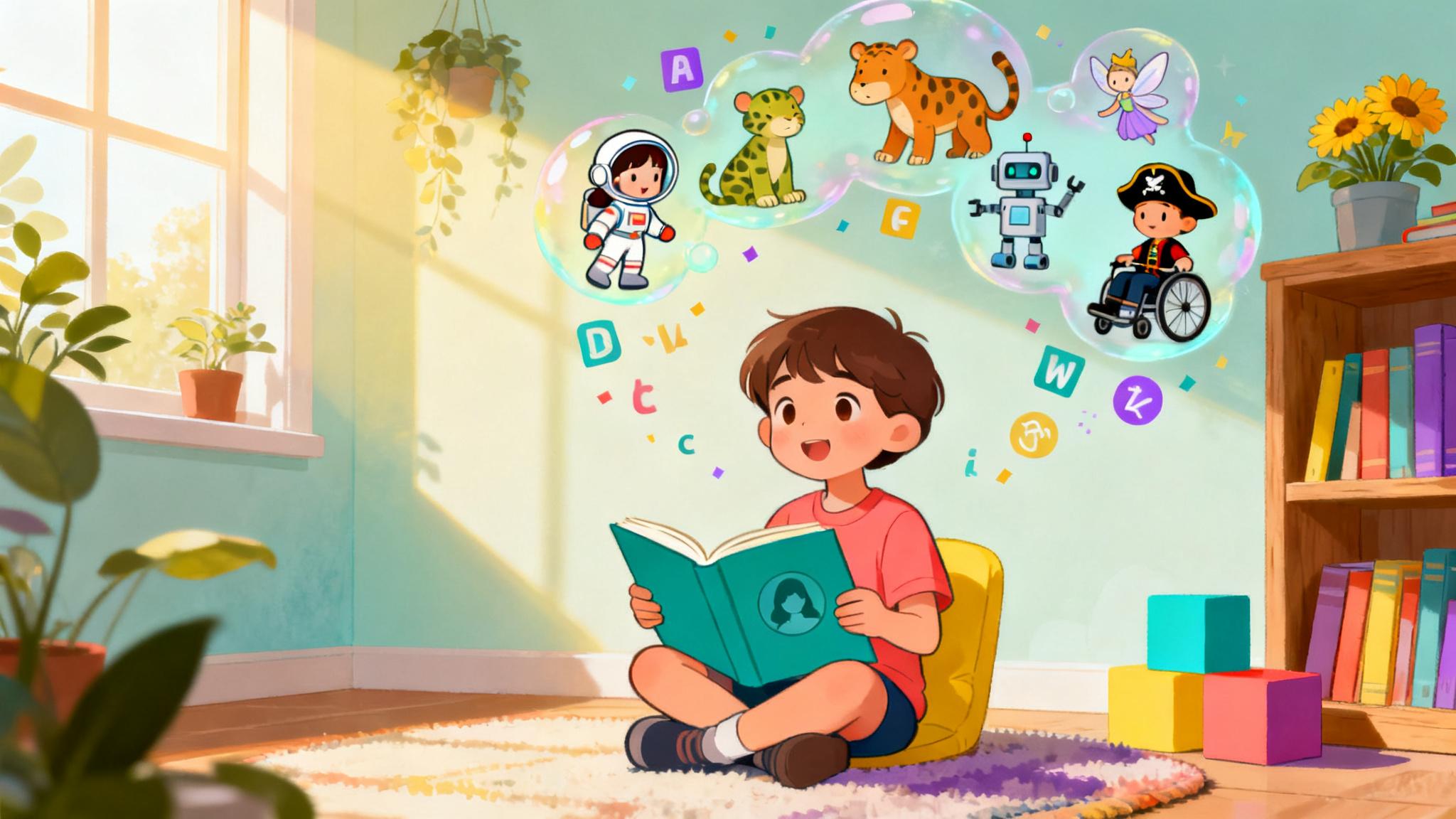
How Personalized Books Help Early Literacy
How Personalized Books Help Early Literacy
You hear it all the time: “Read to your child every day.” But if you are parenting a toddler who would rather wiggle than sit, or a preschooler who insists on the same story for the hundredth time, it can be hard not to wonder: Are we actually building reading skills, or just getting through bedtime? Early literacy development is not only about learning letters. It is about attention, vocabulary, sound awareness, storytelling, and the habit of seeing books as something enjoyable and meaningful.
Personalized children’s books can make that process feel easier and more natural. When your child’s name appears on the page, and the story speaks directly to them, many kids pay closer attention and participate more. That extra engagement matters because the strongest early literacy routines are the ones families can sustain. In this post, you will learn how personalized books support early literacy and reading skills, what research suggests about engagement and learning, and practical ways to use custom stories to build real reading foundations at home.
Why personalization boosts early literacy skills
Early literacy is built through repeated, interactive exposure to language. Researchers studying shared reading often emphasize the power of dialogic reading, when adults prompt children with questions, encourage them to label pictures, and talk about the story instead of only listening passively. Personalization naturally invites that kind of interaction.
1) Stronger attention and motivation during reading
Children are more likely to focus when content feels relevant. A personalized story can turn a book into something that feels like it belongs to them, not just a generic story. In practice, that can mean fewer interruptions and more time spent looking at the page, hearing new words, and following the plot, all of which support language growth.
2) More meaningful repetition, which is how kids learn
Re reading is one of the best predictors of early language gains. Kids love repetition because it gives them a sense of mastery. Personalized books often become a favorite, and that is a win. Each reread strengthens vocabulary, story structure understanding, and print awareness, such as knowing that text carries the message.
3) Better “print awareness” and name recognition
Seeing their name in print is powerful for preschoolers. It helps them connect spoken language to written words. Many children recognize their name first, then begin noticing other words. A personalized book gives repeated exposure to their name in a meaningful context, which supports early decoding readiness.
What the evidence suggests, in simple terms
You do not need to be a researcher to notice what happens when a child is truly engaged. But it can be reassuring to know that research on shared reading consistently shows that the biggest literacy benefits come from interactive, enjoyable reading routines.
Studies on dialogic reading and parent child book conversations show improvements in vocabulary and expressive language when adults ask open ended questions, encourage the child to predict, and connect the story to the child’s life. Personalized books make those connections easier because the story already includes your child’s identity and details you choose. In other words, personalization helps turn “reading time” into “talking and thinking time,” which is where much of the learning happens.
Practical ways to use personalized books for early literacy
Below are parent friendly strategies that tie directly to how personalized children’s books work. You can try one at a time and keep what fits your family.
Tip 1: Point to your child’s name and say it slowly
When you see your child’s name on the page, trace it with your finger. Say it slowly and clearly. If your child is ready, point out the first letter.
- What it builds: print awareness, letter name knowledge, and early phonics readiness
- Try saying: “This word says Maya. It starts with M. Mmm.”
Tip 2: Use “pause and prompt” questions on every page
Personalized stories invite children to respond because the story is about them. Add gentle prompts to turn listening into participation.
- “What do you think happens next?”
- “How is your character feeling here?”
- “Can you find the word that says your name?”
- “What would you do in this part?”
What it builds: comprehension, expressive language, and narrative skills.
Tip 3: Make a quick vocabulary moment from the story
Choose one new or interesting word per reading session. Explain it briefly in child friendly language and connect it to their life.
- Example: “Brave means you try even when you feel a little scared. Remember when you tried the slide?”
- What it builds: vocabulary depth, which strongly supports later reading comprehension
Tip 4: Do a “sound hunt” with your child’s name
Because the book repeats their name, you can play with sounds in a low pressure way.
- Ask for words that start like their name: “Maya starts with M. Can you think of another M word?”
- Clap syllables: “Ma ya. Two claps.”
What it builds: phonological awareness, a key early reading skill.
Tip 5: Create a simple routine that makes reading predictable
Many families succeed with short, consistent reading instead of long sessions. Use your personalized book as the anchor of a bedtime or after dinner routine.
- Read one story
- Ask two questions
- Let your child “read” one page by describing the pictures
What it builds: reading habit, confidence, and sustained attention.
Personalized vs non personalized books: what changes at home
Both types of books can be wonderful. The advantage of personalization is that it often makes the reading interaction easier to start and easier to repeat, especially for children who are reluctant listeners.
| Reading outcome | Often supported by personalized books | How to reinforce it |
|---|---|---|
| Engagement | Higher interest because the child is the character | Ask questions and let them lead |
| Print awareness | Name recognition and noticing words | Point to text, track with finger |
| Vocabulary | More talk about story events tied to the child | Explain one new word per read |
| Comprehension | Easier to connect story to real life | Use “What would you do?” prompts |
Subtle ways to introduce our personalized books into your routine
If you are trying to build early literacy without turning reading into a battle, a personalized children’s book can be a gentle, effective tool. Our custom stories are designed to make kids feel seen while supporting the kinds of parent child interactions that build real reading skills.
- Start with one book your child can “own” and reread often for two weeks.
- Choose personalization details your child recognizes easily, such as their name and a familiar setting.
- Explore our collection and pick a theme that matches your child’s current interests, such as adventure, animals, or bedtime routines.
If you would like to make reading time smoother and more rewarding, take a look at our personalized book collection and choose a story that fits your child’s age and attention span.
Conclusion
Early literacy grows from small moments that happen again and again. Personalized books help by making those moments more engaging, more interactive, and easier to repeat. When your child hears their name, follows the story, and talks with you about what is happening, they are practicing the building blocks of reading.
- Personalized stories can increase attention and motivation to read
- Repeated rereading strengthens vocabulary, comprehension, and print awareness
- Seeing their name in print supports early decoding readiness
- Simple prompts and routines turn story time into literacy learning
If you are ready to support early literacy development in a way that feels fun and personal, explore our personalized children’s books and choose a story your child will want to hear again and again. Have you noticed reading changes in your child, such as longer attention or new words showing up after story time? Share what you are seeing in the comments.