How Personalized Children’s Books Make Reading Engaging
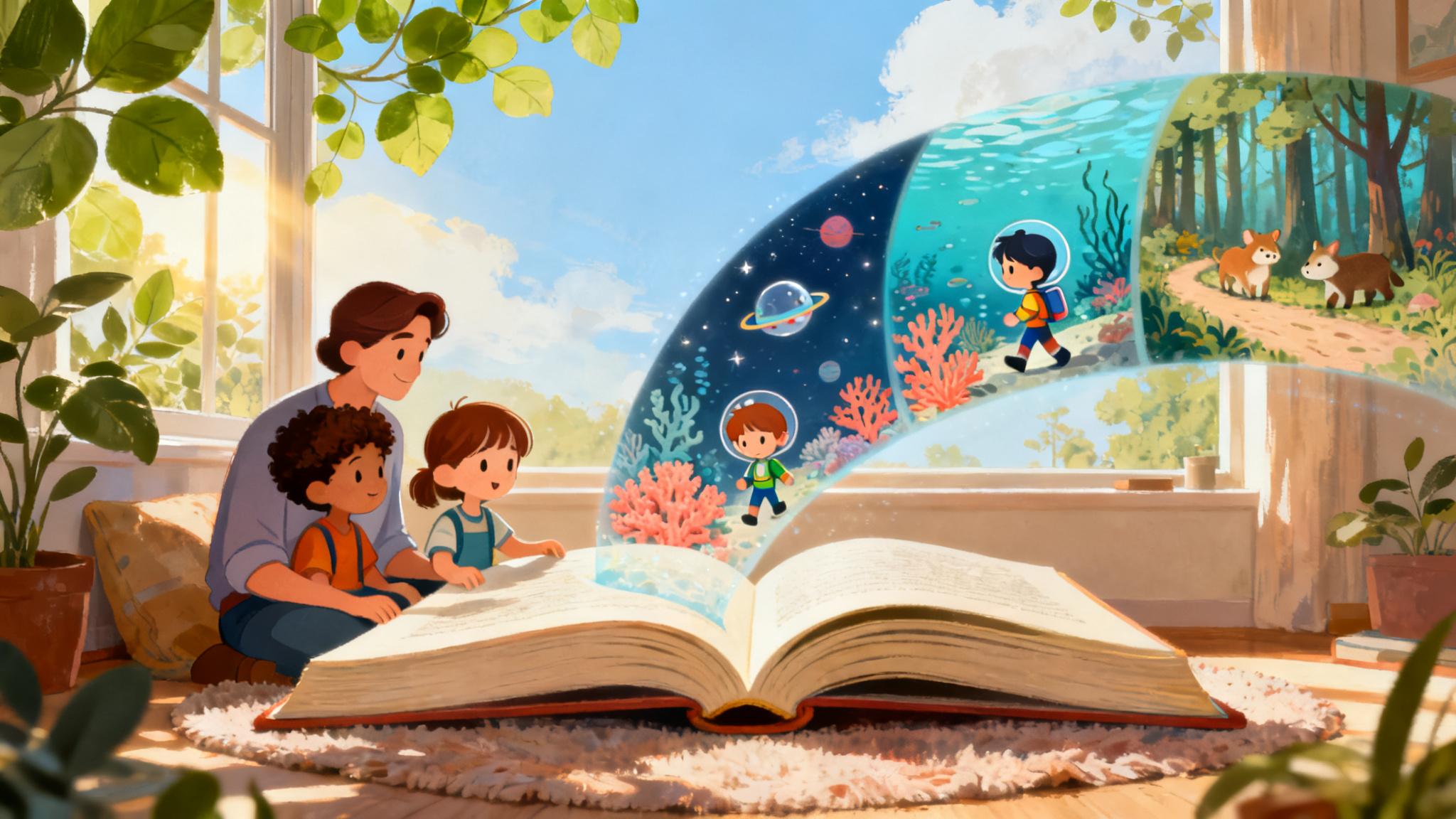
Personalized children’s books take a familiar routine, storytime, and make it feel like it was created just for your child. Instead of listening from the sidelines, kids get to hear their own name woven into the plot, which can make the story easier to follow and more exciting to revisit. For parents, grandparents, and gift buyers, that simple personalization can turn a book into a go to pick at bedtime and a keepsake you actually want to hold onto.
Below, you’ll find a practical look at how personalized storybooks work, why they often feel more engaging to children, and how to use them in everyday reading routines without turning storytime into a performance.
How personalized storybooks work
Most personalized storybooks start with a standard story and then customize select details so the child feels included. The most common and effective form is adding a child’s first name throughout the story. When done well, the name appears naturally in dialogue and narration, helping the child feel like the main character or a key helper in the adventure.
For example, a line might read, “Tonight, Ava tiptoed into the moonlit garden,” or “Can you help, Mateo?” Because the personalization is integrated into the storytelling, it does not feel like a gimmick. It feels like the book already knew your child.
With Pictoora, the child’s first name can appear throughout the story to help them become part of the adventure. Many families also like adding a personalized dedication, and where available, an optional photograph on the dedication page, which can make the book feel even more like a gift rather than just another title on the shelf.
Why seeing their name can make storytime more engaging
Kids are naturally tuned in to their own name. It is one of the first words many children recognize and one they react to quickly. When a book uses that name in a warm, story driven way, children often pay closer attention because it feels directly relevant to them.
It creates instant buy in
In a regular story, a child has to decide whether to care about the character. In a personalized children’s book, the caring part can happen immediately, because the character feels familiar from the first page. That can be especially helpful on nights when your child is tired, wiggly, or not in the mood to settle.
It supports participation without pressure
Personalized storybooks often invite small moments of participation. Your child may naturally chime in when they hear their name, point to words they recognize, or ask what will happen to “them” next. The key is that the book does the inviting. You do not have to coax engagement the whole time.
It makes rereading feel special instead of repetitive
Many parents read the same book again and again because kids love predictability. Personalization can make those rereads more fun for adults too, because you get to watch your child enjoy being part of the story each time. The book can become a comforting favorite while still feeling personal.
When personalized books shine most in real life
Personalized children’s books can be a strong choice in several common situations, especially when you want reading to feel warm and easy, not like a task.
Bedtime routines
Personalized bedtime stories can be a natural fit, because bedtime is already personal and one on one. Hearing their name in a calm, cozy story can help your child settle into the routine. Try pairing a personalized book with a consistent rhythm: the same reading spot, the same voice, and a short chat about the story afterward.
Reluctant readers and easily distracted kids
If your child loses interest quickly, personalization can serve as a gentle hook. It is not a magic fix, but it can make the first few pages easier to get through. Once your child is invested in what happens to “them,” it may be simpler to keep turning pages together.
Gifts that feel thoughtful
For grandparents, aunts, uncles, and family friends, a personalized storybook often lands as a more meaningful gift than another toy. It shows you put thought into the child, not just the occasion. Adding a short dedication can turn the book into a keepsake the family saves long after the event.
How to choose a personalized children’s book that gets reread
Not all personalized books feel the same, and engagement usually comes down to fit. Here are a few simple ways to choose a book your child will actually ask for again.
Match the theme to what your child already loves
Think about what naturally captures their attention. Do they talk about dinosaurs nonstop? Are they in a big farm animal phase? Do they love magical creatures like unicorns? Do they like adventure, travel, or faith based stories? Starting with a theme that already sparks curiosity makes personalization even more effective.
If you want to browse options, you can explore personalized children’s books by theme and choose one that aligns with your child’s current favorites.
Look for personalization that feels seamless
The best personalized storybooks read smoothly. The child’s name should feel like it belongs in the sentence, not tacked on. A quick way to judge this is to read a sample line in your head and see if it sounds like a story you would enjoy reading aloud.
Consider the reading moment
Ask yourself when the book will be used most often.
- Bedtime: choose gentler pacing and cozy themes.
- Daytime reading: a more energetic adventure can keep attention high.
- Gift giving: consider a dedication option so the giver becomes part of the memory, not the plot.
Simple ways to make personalized storytime even more interactive
You do not need elaborate voices or a long activity plan. A few small habits can make the experience feel richer while keeping it calm and natural.
Pause briefly when their name appears
A tiny pause gives your child a moment to react, smile, or repeat the line. It also signals that this part is special without turning it into a big production.
Ask one question, not ten
Too many questions can interrupt the flow. Try one per reading session, such as “What would you do next?” or “How do you think you felt right there?” Then keep reading.
Let your child “read” the name
If your child is starting to recognize letters, invite them to say their name when it appears. This can be a low pressure way to participate, even before they are reading full sentences.
A personal story can become a family keepsake
A personalized children’s book is not only about keeping attention in the moment. It is also about creating a story your family connects with. Years later, it is easy to imagine pulling the book off the shelf and remembering the phase of life when your child wanted the same story every night.
If you want a story that places your child’s first name throughout the adventure, you can browse children’s personalized stories from Pictoora and choose a theme that fits your favorite kind of storytime.